High-Speed Ring Frame Bolsters: Oil, Heat and Balance Above 18,000 RPM
Vindex technical notes · 07 Oct 2026
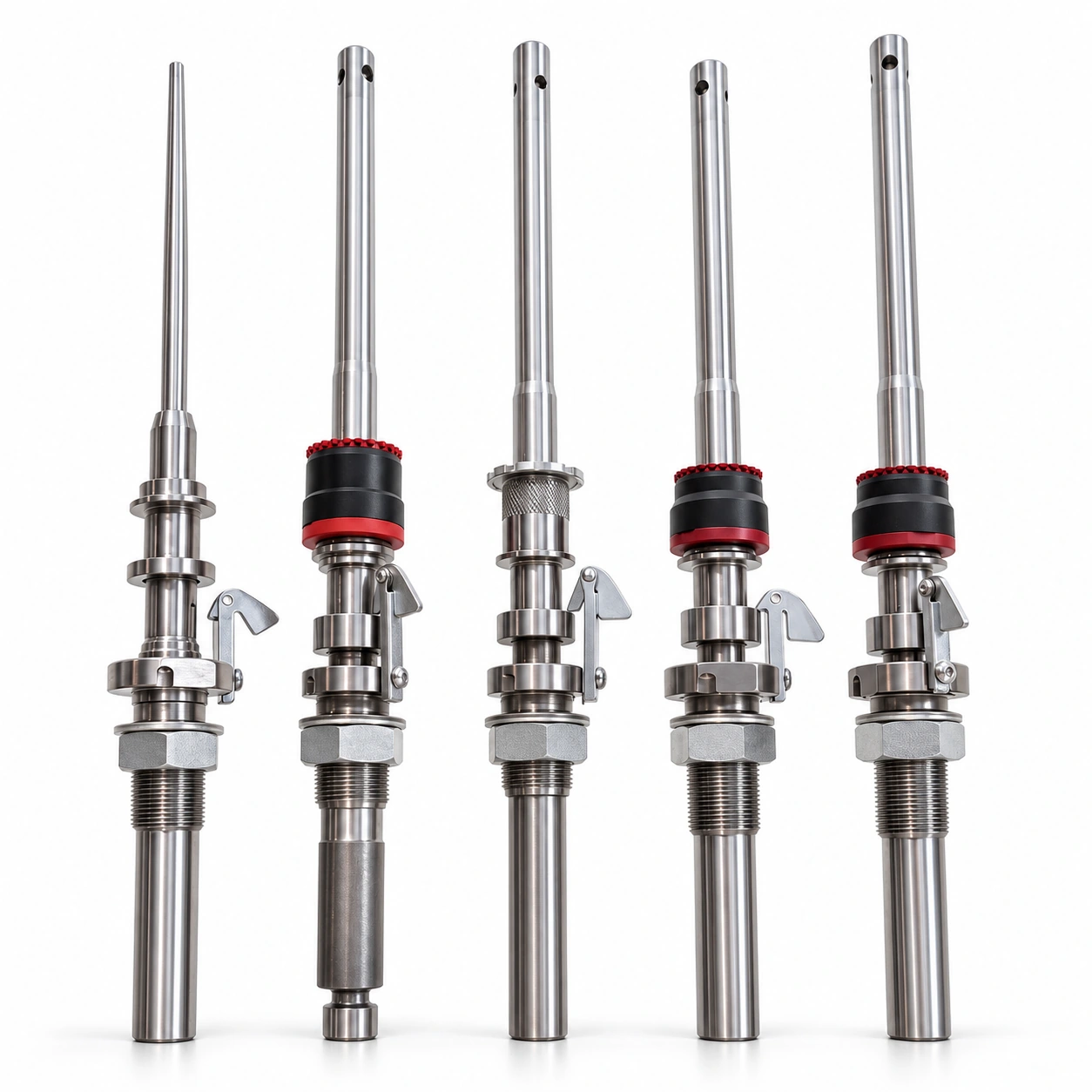
Speed raises the demand on the bolster
A ring frame spindle does not run alone: it runs inside a bolster, and at high speed the bolster carries the full demand — bearing load, heat, and the balance of a spindle turning above 18,000 rpm. Vindex HF 1 and HF 21 spindles run above 18,000 rpm, and ring frame spindles in the range run at speeds up to 30,000 RPM, so the bolster underneath them is not a passive holder: it decides whether high speed stays smooth or turns into vibration, heat and wear. A high speed ring frame spindle bolster earns its place by doing three quiet jobs at once: holding the spindle true, carrying away heat, and keeping its oil clean enough to protect the bearing.
Oil is the first line of defence
At high speed, oil is the bolster's first line of defence, and the routine matters more than the oil itself. Vindex's workshop standard for a new bolster is a first oil change after 24 hours of running, and never later than 50 hours, with the bolster flushed before it is refilled. The second oil change follows after 7 days. After that, check the level every 30 days and change the oil: top up if the level is low, and change it fully if it has deteriorated. Fresh oil carries heat away and keeps the bearing surfaces apart; oil left too long loses that ability. A new bolster on a high-speed frame should never run past its first change on its first fill.
Heat tells the truth early
Heat is the earliest warning a high-speed bolster gives: a bolster in its normal range, around 50–65°C, is doing its job. Oil that turns dark quickly, a bolster hotter than its neighbours, or a frame needing its oil changed sooner than the routine allows, all point the same way: the bearing is working too hard. Compare one position with the next: a single hot position points to that bolster, heat across the frame points to the running conditions. Heat found early is a small job; heat ignored becomes a bearing job.
Balance and cleanliness at high speed
Above 18,000 rpm, small faults become large ones. Dust in the bolster seat, a worn bearing, a spindle that does not sit true, or a bolster fitted without cleaning the seat will all show as vibration and noise, and vibration at high speed wears the bearing faster with every hour. Keep the bolster seat clean before fitting, check that the spindle sits true, and listen at running speed: a position that hums louder than its neighbours deserves a look before more speed. Fit one position first on a new bolster reference, run it, and check vibration, heat and noise before fitting the rest.
A short routine before the frame runs fast
- Fit one bolster first, run it, and check vibration, heat and noise before fitting the rest.
- Change the oil after the first 24 hours of running, and never later than 50 hours, flushing the bolster before refilling.
- Make the second oil change after 7 days, then check the level every 30 days and change the oil when it has deteriorated.
- Compare heat across positions on the same frame, and look at any position that runs hotter or louder than its neighbours.
A high speed ring frame spindle bolster is a simple part with a demanding job. Given clean oil, a clean seat and a watchful first week, it holds high speed quietly.
Frequently asked questions
What oil routine suits a high speed ring frame spindle bolster? First oil change after 24 hours of running, and never later than 50 hours, with the bolster flushed before refilling. Second change after 7 days, then check the level every 30 days and change the oil when it has deteriorated.
What are the early signs of trouble at high speed? Heat above the normal range, vibration, unusual noise, and oil that turns dark quickly. A single hot or noisy position points to that bolster; heat across the frame points to running conditions.
Where Vindex supplies
Vindex Industries manufactures textile spindles and bolsters in Surendranagar, Gujarat, and exports to 87 countries. Regular export destinations include Bangladesh, Turkey, Indonesia, Vietnam, Uzbekistan, Pakistan and Egypt. Country-level export pages: Export-country directory
Running high-speed frames? Send your machine make and model and your current bolster reference to Vindex Industries — WhatsApp +91 89805 05555, vindex@vindexindustries.com, or enquire at vindexindustries.com.
Frequently asked questions
Which bottom-roller conditions should maintenance cover?
Inspect flute condition, surface wear, eccentricity and contamination. The guide connects these checks with drafting consistency and periodic faults.
Why should fly and oil be removed from the drafting zone?
Contamination can interfere with consistent fibre control and roller contact. Include cleaning and inspection in the machine maintenance routine.
Choose the Correct Replacement Roller
After inspection, identify the machine process and the original roller drawing before ordering. Use the ring-frame bottom roller page for ring-spinning positions, the roving / speed frame bottom roller page for simplex machines, or the fluted roller reference page to describe the working profile. Keep each roller position and quantity separate in the enquiry.