Planning a Ring Frame Overhaul: Spindle Bolster Replacement in Stages
Vindex technical notes · 25 Oct 2026
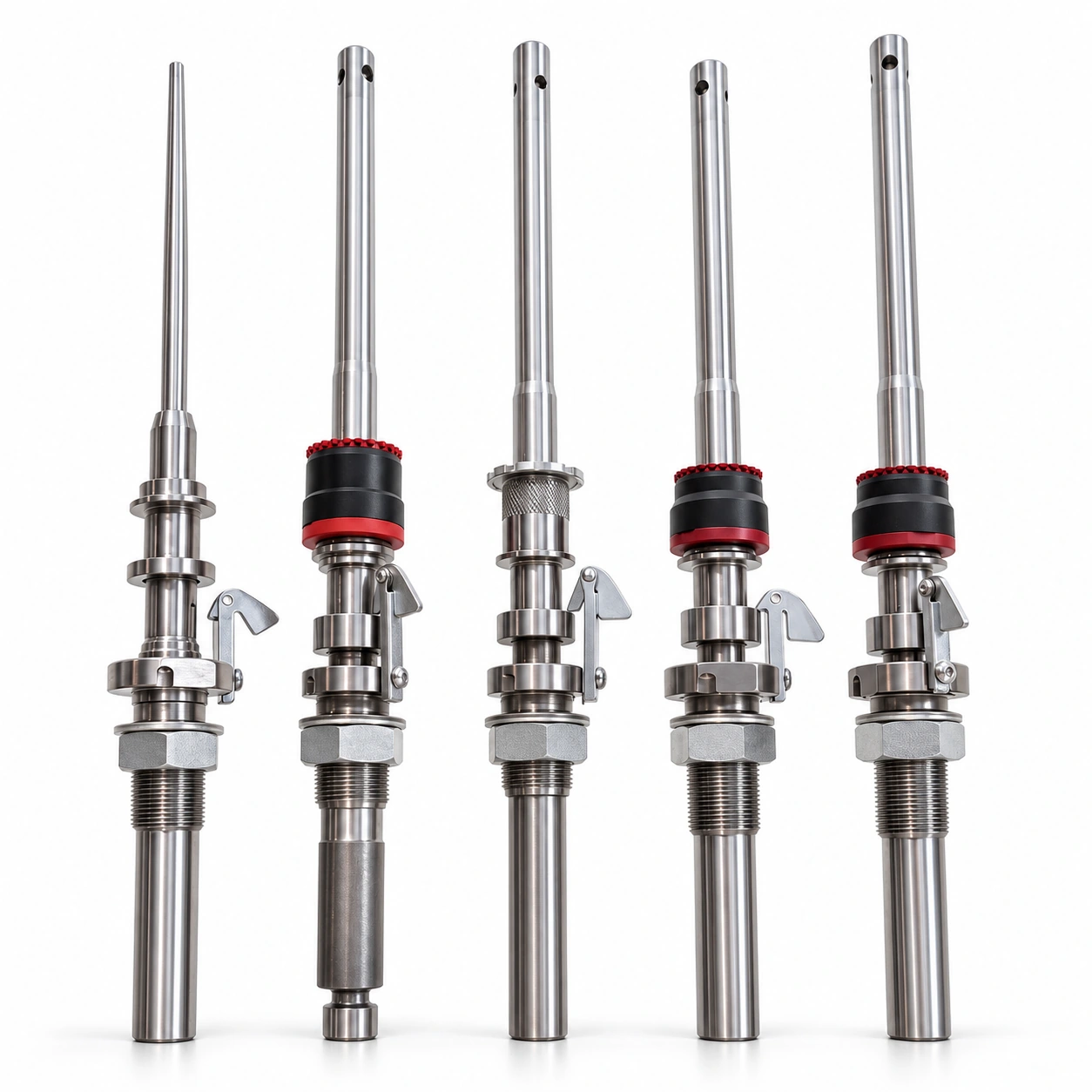
An overhaul is a plan, not a single order
A ring frame overhaul is rarely done in one sweep. Frames are taken down one at a time, spindles and bolsters are checked against the drawing, and the mill keeps the rest of the shed running while the work goes on. Planning the bolster replacement in stages keeps the overhaul orderly: each frame is finished and checked before the next one is opened.
Vindex Industries manufactures textile spindles and spindle bolsters at Surendranagar, Gujarat, and has supplied spinning mills since 1985. As a manufacturer and supplier in India, Vindex matches bolsters against the machine drawing and the sample, so the planning starts with confirming what the frame actually carries.
Stage one: check the drawing and the sample
Before any part is ordered, the mill confirms the machine make and model, the bolster now in the frame, and the spindle it carries. Vindex bolster models include HZ-33, HZ-44, HZ-55, HZ-66, HZ-68, HZ-77 and HZ 35, and ring-spinning spindle models include HF 1, HF 21, HF 33, HF 44, HF 45 and HF-100, with HZ-2C also listed. The model name alone is not enough: whether the frame uses an insert bolster or a built-in bolster, and which insert it carries, decides the correct replacement.
A dimensioned drawing settles lift, wharve diameter, blade diameter and ring diameter at once. Where a drawing is not at hand, a removed sample can be measured, and a clear photograph with a scale beside the part helps confirm the numbers. This check is done once, carefully, and then it governs the whole overhaul rather than being repeated frame by frame.
Stage two: replace in stages, frame by frame
With the match confirmed, the mill plans the order of work. One frame is taken down, its bolsters and spindles are removed, and the seats and mountings are inspected and cleaned before the new parts go in. The new bolsters are fitted, the spindles are seated, and the frame is run and checked before the next frame is opened.
Working frame by frame has a plain advantage: if a question arises on the first frame — a seat that needs attention, a dimension that needs re-checking — it is caught while only one frame is down, not after a whole shed has been stripped. Each frame becomes the proof for the next one, and the overhaul keeps its rhythm instead of stopping to chase a mismatch.
Stage three: confirm the match per machine
Frames of the same make in one shed are not always alike. One may carry a different insert, another a different wharve, and a third may have had parts changed over the years. That is why the match is confirmed per machine, not per shed. The drawing or sample check is repeated for each frame as its turn comes, and the parts for that frame are checked again, piece by piece, when they arrive.
Speed is part of the same check. Spindle and bolster work as a pair, and the pair must suit the frame speed and the yarn being spun. Some Vindex spindle and bolster combinations are listed for speeds up to 30,000 RPM. The pair is confirmed against the machine details for each frame, so no frame is fitted with a combination that does not suit it.
A staged overhaul takes patience, but it is the patience that keeps a shed running. Check the drawing and the sample, replace in stages, and confirm the match per machine — and the overhaul finishes with every frame running true.
Frequently asked questions
Why replace bolsters in stages instead of all at once? Working frame by frame keeps the rest of the shed running, and any question found on the first frame is caught before the whole shed is stripped.
What should be checked before ordering? Machine make and model, the bolster and spindle now in use, lift, wharve diameter and ring diameter, plus a drawing or a sample.
Does Vindex supply spindles and bolsters together? Yes. Vindex manufactures ring-spinning spindles, spindle bolsters, bottom rollers, roving frame flyers and pressure fingers, and supplies them as matched parts for the same frame.
Where Vindex supplies
Vindex Industries, a manufacturer and exporter in India, supplies textile spindles and bolsters to mills in 87 countries, including leading textile buyers in Bangladesh, Turkey, Indonesia, Vietnam, Uzbekistan, Pakistan and Egypt. Country-level export pages: Export-country directory
---
Planning a ring frame overhaul? Send your machine make and model and your current spindle and bolster details to Vindex Industries — WhatsApp +91 89805 05555, vindex@vindexindustries.com, or enquire at vindexindustries.com.
Frequently asked questions
Which bottom-roller conditions should maintenance cover?
Inspect flute condition, surface wear, eccentricity and contamination. The guide connects these checks with drafting consistency and periodic faults.
Why should fly and oil be removed from the drafting zone?
Contamination can interfere with consistent fibre control and roller contact. Include cleaning and inspection in the machine maintenance routine.
Choose the Correct Replacement Roller
After inspection, identify the machine process and the original roller drawing before ordering. Use the ring-frame bottom roller page for ring-spinning positions, the roving / speed frame bottom roller page for simplex machines, or the fluted roller reference page to describe the working profile. Keep each roller position and quantity separate in the enquiry.