Direct Email: vindex@vindexindustries.com|Phone/WhatsApp: +91 89805 05555
Location: Surendranagar, Gujarat, India
Products/Pressure Fingers/ELECTRO JET 16x7

ELECTRO JET 16x7 Pressure Finger

Flyer presser for ELECTRO JET 16x7 speed-frame configurations.
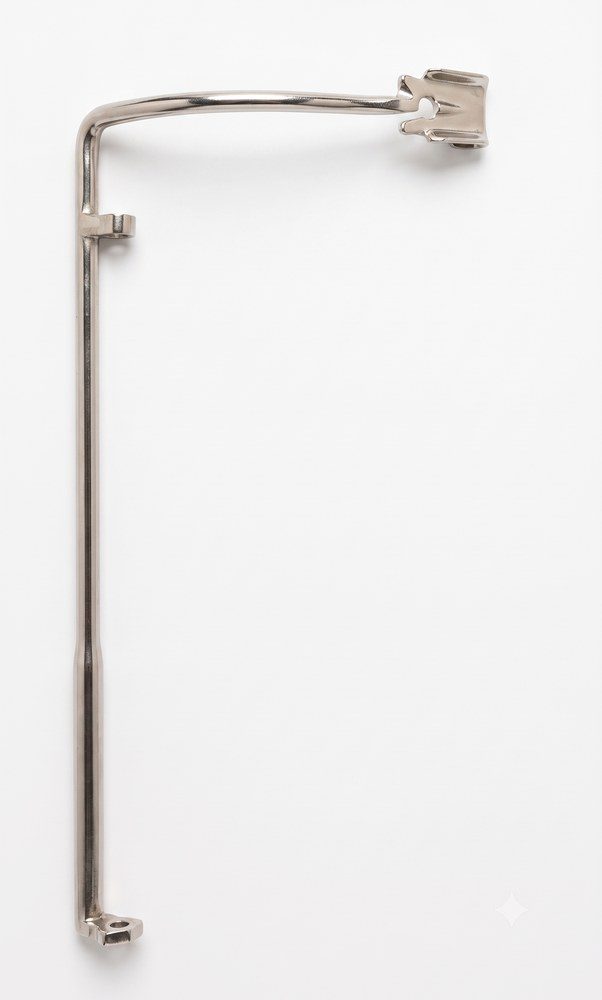
ELECTRO JET 16x7 pressure finger

ELECTRO JET 16x7 pressure finger

Designed for larger package capacity with consistent pressing force across the package build. Built for speed-frame flyer assemblies.

Product
Flyer pressure finger
Model
ELECTRO JET 16x7
Machine make / frame type
Electro-Jet Frame
Package size / mounting
16" × 7" Lift/Diameter

Technical characteristics

Material
High-grade alloy steel, forged mild steel, or lightweight aluminum alloy.
Surface Coating & Finish
Hard Chrome Plating / Nickel Plating: Minimizes roving friction and prevents surface wear. Black Oxide / Powder Coating: Provides corrosion resistance and extended operational life.
Dynamic Balancing
Individually balanced to operate at speeds up to 1200–1500 RPM without flyer vibration.
Primary Function
Maintains steady, uniform pressing tension on the roving as it winds onto the bobbin, ensuring high package density and clean unwinding at the ring frame.

Ordering

  • Confirm the exact machine model and arm geometry before ordering
  • Share a sample or dimension drawing for configuration confirmation
  • Bulk quantities supplied against purchase order

ELECTRO JET 16x7 Pressure Finger

This flyer pressure finger guides roving onto the bobbin and helps control winding tension and package density. The ELECTRO JET 16x7 pattern is selected by flyer profile, presser geometry, mounting and bobbin size.

Vindex Industries supplies replacement flyer pressers for speed frames and simplex machines. Send the existing part reference, a clear photograph or drawing and required quantity for a quotation.

Export markets

Vindex Industries manufactures this product in Surendranagar, Gujarat, and exports textile machinery spares to 87 countries — including Bangladesh, Vietnam, Turkey, Indonesia, Pakistan, Egypt, Uzbekistan, Brazil, Mexico and Thailand. Request an export quote.

Where the 16x6 builds the lighter package, the Electro-Jet 16x7 exists for capacity: the same 16-inch lift wound onto a 7-inch diameter bobbin, as the model details on this page record, with pressing force held consistent from the first layer to the full build. That consistency is the finger's real work — as a package grows, an uneven finger packs the core hard and the surface soft, and the bobbin later unwinds badly at the ring frame. The 16x7 pattern is balanced for flyer speeds of 1,200–1,500 RPM and plated in hard chrome or nickel, keeping roving friction low across the longer winding cycle a bigger package demands.

Pressure Finger — Electro Jet 16X7 — Frequently Asked Questions

What is a pressure finger?

This flyer presser guides roving onto the bobbin. Match the flyer reference, presser dimensions, bobbin size and machine configuration when ordering a replacement.

Which machine does the Electro Jet 16x7 pressure finger fit?

It is made to the original Electro Jet 16x7 dimensions for a direct replacement fit.

When should a pressure finger be replaced?

Replace a pressure finger if its yarn-contact surface is badly scored, the arm is cracked or deformed, the mounting is loose, or uneven bobbin build persists after the setting has been checked. Inspect the stopped machine and match the replacement to the existing flyer and presser reference.

Do you supply in bulk and export?

Yes. We supply mill-quantity lots and export to 87 countries.

Can a 16x6 Pressure Finger be used on a frame building 16x7 packages?

No. The finger's geometry follows the package diameter and the flyer profile, so a 16x6 pattern on a 7-inch build will not press correctly and will show up as density faults. Order the pattern that matches the package, and confirm with a sample or a dimension drawing if the frame's documentation is missing.

Why does package density vary on our 16x7 frames?

Work through the finger first: uneven pressing force, a worn contact face or a bent finger all produce density variation that drafting settings cannot correct. Compare a suspect finger against a new one on the same flyer; if the density steadies, replace the fingers on that frame as a set so every position presses alike.