Direct Email: vindex@vindexindustries.com|Phone/WhatsApp: +91 89805 05555
Location: Surendranagar, Gujarat, India
Products/Pressure Fingers/LF-1400A HOLZ TYPE

LF-1400A HOLZ TYPE Pressure Finger

Flyer presser for LF-1400A HOLZ TYPE speed-frame configurations.
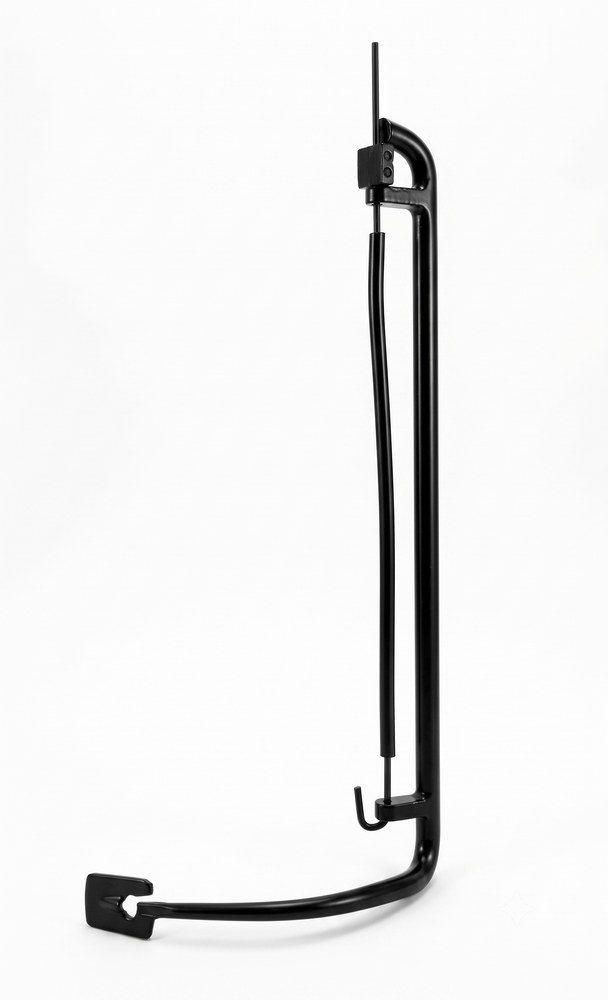
LF-1400A HOLZ TYPE pressure finger

LF-1400A HOLZ TYPE pressure finger

Features traditional Holz-style clamping for firm mounting and stable dynamic balance.

Product
Flyer pressure finger
Model
LF-1400A HOLZ TYPE
Machine make / frame type
LMW (Lakshmi Machine Works)
Package size / mounting
Holz Type flyer arm fitment

Technical characteristics

Material
High-grade alloy steel, forged mild steel, or lightweight aluminum alloy.
Surface Coating & Finish
Hard Chrome Plating / Nickel Plating: Minimizes roving friction and prevents surface wear. Black Oxide / Powder Coating: Provides corrosion resistance and extended operational life.
Dynamic Balancing
Individually balanced to operate at speeds up to 1200–1500 RPM without flyer vibration.
Primary Function
Maintains steady, uniform pressing tension on the roving as it winds onto the bobbin, ensuring high package density and clean unwinding at the ring frame.

Ordering

  • Confirm the exact machine model and arm geometry before ordering
  • Share a sample or dimension drawing for configuration confirmation
  • Bulk quantities supplied against purchase order

LF-1400A HOLZ TYPE Pressure Finger

This flyer pressure finger guides roving onto the bobbin and helps control winding tension and package density. The LF-1400A HOLZ TYPE pattern is selected by flyer profile, presser geometry, mounting and bobbin size.

Vindex Industries supplies replacement flyer pressers for speed frames and simplex machines. Send the existing part reference, a clear photograph or drawing and required quantity for a quotation.

Export markets

Vindex Industries manufactures this product in Surendranagar, Gujarat, and exports textile machinery spares to 87 countries — including Bangladesh, Vietnam, Turkey, Indonesia, Pakistan, Egypt, Uzbekistan, Brazil, Mexico and Thailand. Request an export quote.

"Holz type" is the identity of this finger, and it is about mounting, not size: the LF-1400A follows the traditional Holz-style clamping and flyer-arm fitment, and this page records its machine family as LMW (Lakshmi Machine Works). That makes it the pattern for LMW speed frames built around Holz-pattern flyer arms — machines that remain in daily service in many sheds precisely because their wear parts, this finger included, are still obtainable. A firm, correctly seated clamp is what the Holz design exists for: the finger must not creep on the arm at speed. When ordering, the arm geometry is the reference that matters most, so photograph the arm and the clamp area as well as the finger itself.

Pressure Finger — Lf-1400A Holz Type — Frequently Asked Questions

What is a pressure finger?

This flyer presser guides roving onto the bobbin. Match the flyer reference, presser dimensions, bobbin size and machine configuration when ordering a replacement.

Which machine does the LF-1400A Holz type pressure finger fit?

It is made to the original LF-1400A Holz type dimensions for a direct replacement fit.

When should a pressure finger be replaced?

Replace a pressure finger if its yarn-contact surface is badly scored, the arm is cracked or deformed, the mounting is loose, or uneven bobbin build persists after the setting has been checked. Inspect the stopped machine and match the replacement to the existing flyer and presser reference.

Do you supply in bulk and export?

Yes. We supply mill-quantity lots and export to 87 countries.

How do I confirm that my LMW frame uses the Holz-type Pressure Finger?

Look at how the finger mounts: Holz-type fitment clamps to the flyer arm in the traditional Holz pattern. If you are unsure, send photographs of the finger on the machine — front view and clamp side — and the pattern will be confirmed as the LF-1400A, or the correct alternative identified, before quoting.

Our Holz-type fingers loosen in service. Is that a finger fault?

Usually it is a seating or clamp-wear issue rather than a fault in the finger body. Check the clamp faces and the arm for wear or damage, and confirm the finger is the correct Holz pattern for the arm: a finger of the wrong pattern can be fully tightened and still creep, because its clamp geometry never matched the arm it sits on.